Creating Utopia: Design an Ideal Community

In Our workshop the participants will design the environment and society they would prefer to live in. The info below can be included":

Housing / Shelter

Apartments * Tiny homes * Skyscrapers * Underground housing * Floating housing (houseboats) * Co-housing communities * Large cooperatives * Multi-generational housing complexes * Senior housing * Student housing * Mixed Use housing * Refugee / newcomer housing * Transitional housing * Universal housing guarantee * Rent control systems * Mixed-income housing * Camping * Car Camping * Accessible housing for disabilities * Car-free residential zones * Green rooftops *  Free Community kitchens & dining halls * Public refrigeration/storage * Shared courtyards - Shared workshops * Dormitory-style living * Eco-villages * Mobile home parks * Housing integrated with farms * Public Shared Bathrooms/Showers/Laundry * Community guest housing

Food Systems

Community gardens * Urban farms * Rooftop farming * Vertical farming * Aquaponics * Orchards * Public fruit trees * Food forests * Worker-owned food cooperatives * Free pantries * Bulk food warehouse distribution * Compost systems * Seed libraries * Community bakeries * Vegan-only systems * Local fisheries * Livestock areas (or vegan?) * Neighborhood greenhouses * Food waste recovery systems * All land is public * Limit on Farmland one person can own?

Energy & Utilities

Solar panels • Wind turbines • Micro-hydro power • Geothermal systems (if possible) • Small nuclear reactors • Community-owned utilities - local microgrids • Battery storage systems • Public internet/Wi-Fi • Rainwater harvesting • Greywater reuse • Composting toilets • Desalination • Energy quotas/equality systems • Public charging stations • Neighborhood repair centers

Transportation

Bicycle-only streets • Pedestrian-only streets • Light rail/trams • Electric buses • Free public transit • Community bike shares • Cargo bike systems • Car-sharing cooperatives • High-speed rail links • Elevated walkways • Underground transit • Ferries/water transit • Free Transit • Green corridors • Electric vehicle charging • Autonomous shuttle systems • No private cars • Mixed-use zoning to reduce travel • Hitchhiking systems • Community mobility hubs

Economy & Work

Worker cooperatives • Gift economy / moneyless society • Time banking - vouchers • Capitalism • Mutual aid networks • Universal basic income • Universal basic services • Commons-based economies • Local currencies • Tool libraries • Repair cafés • Shared workshops/maker spaces • Reduced work week • Job rotation systems • Democratic workplaces • Cooperative childcare • Public banking • Reduced copyright • Barter markets • Free stores • Community-owned factories • Artisan districts

Governance & Democracy

Neighborhood assemblies • Consensus decision-making • Participatory budgeting • Citizen juries • Rotating leadership • Leaderless structures • Sortition/randomly selected councils • Youth councils • Elders councils • Indigenous governance models • Federated neighborhoods • Direct democracy / Digital voting • Public debate forums • Conflict mediation circles • Restorative justice • Transparency laws / Open public records • Community constitutions • Autonomous zones / Decentralized governance

Healthcare & Wellbeing

Free healthcare clinics • Mobile clinics • Mental health centers • Community therapists • Herbal medicine gardens • Addiction recovery spaces • Disability support centers • Elder care cooperatives • Midwifery/birth centers • Preventive healthcare • Free Public exercise facilities • Meditation/yoga spaces • Harm reduction services • Trauma recovery centers • Public nap/rest spaces • Universal dental care

EDUCATION & LEARNING

Free schools • Democratic schools • Outdoor education • Trade schools • Public libraries • Makerspaces • Lifelong learning centers • Apprenticeships • Skill-sharing systems • Community science labs • Free colleges • Child-directed learning • Public lecture halls • Art schools • Cooperative homeschooling • Intergenerational learning • Language exchange programs • Public internet learning hubs • Experimental universities

Ecology & Environment

Rewilding zones • Wildlife corridors • Wetland restoration • Native plant landscaping / drought resistant • Zero-waste systems • Dark-sky lighting policies • Car-free ecosystems • Green belts • Urban forests • Flood-resistant design • Climate adaptation infrastructure • Community composting • Pollution-free industry • Air quality monitoring • River restoration • Public parks • Biodiversity sanctuaries • Carbon-neutral goals • No-lawn policies • Ecological architecture

Public Space & Culture

Public Amphitheaters • Community art walls • Music venues • Street performance spaces • Public dance floors • Festivals • Cultural centers • Museums • Open studios • Tea houses/cafés • Public fire pits • Public reading rooms • Parks designed for conversation • Quiet zones • Spiritual/meditation centers • Interfaith spaces • Public chess tables • Night markets • Public saunas/baths

Safety & Justice

Restorative justice systems • Community accountability circles • Violence interruption teams • Unarmed crisis responders • Emergency call collectives • Sanctuary systems • Neighborhood watch cooperatives • Youth outreach centers • Rehabilitation instead of prisons • Mediation centers • Harm reduction approaches • Safe injection sites • Domestic violence support spaces • Refuge shelters

Technology & Communication

Open-source technology • Community-owned internet • Public media stations • Citizen journalism centers • AI for public good • Tech-free quiet zones • Digital democracy systems • Open data systems • Public fabrication labs / 3D printing cooperatives • Repairability laws • Anti-surveillance policies • Public charging/access points

Questions

Should the city prioritize equality or freedom? • Should everything be shared? • How much privacy should exist? • What is public vs private? • Should money exist? • Should cars exist? • How much technology is ideal? • How much wilderness should remain? • How dense should housing be? • How to respond to crime? • What is the role of art? • How are children treated? • How are elders treated? • How are newcomers integrated? • What happens during disasters? • How is loneliness prevented? • How are decisions made? • What does a “good life” mean? 

Special Challenges

Design a zero-carbon town • Design a post-capitalist town • Design a disability-centered town • Design a child-centered town • Design a town without police • Design a town with no private cars • Design a climate-resilient town • Design a fully cooperative economy • Design a town where housing is free • Design a town where nature has legal rights • Design a radically democratic town • Design a low-tech sustainable town

Physical Layout Questions

Where do people gather? • Where is food produced? • Where do children play? • Where does waste go? • How does water move? • How do people travel? • What spaces are public? • What spaces are quiet? • Where are trees planted? • How much land is dedicated to housing? • Where do conflicts get resolved? • How are disabled people accommodated? • What happens at night?

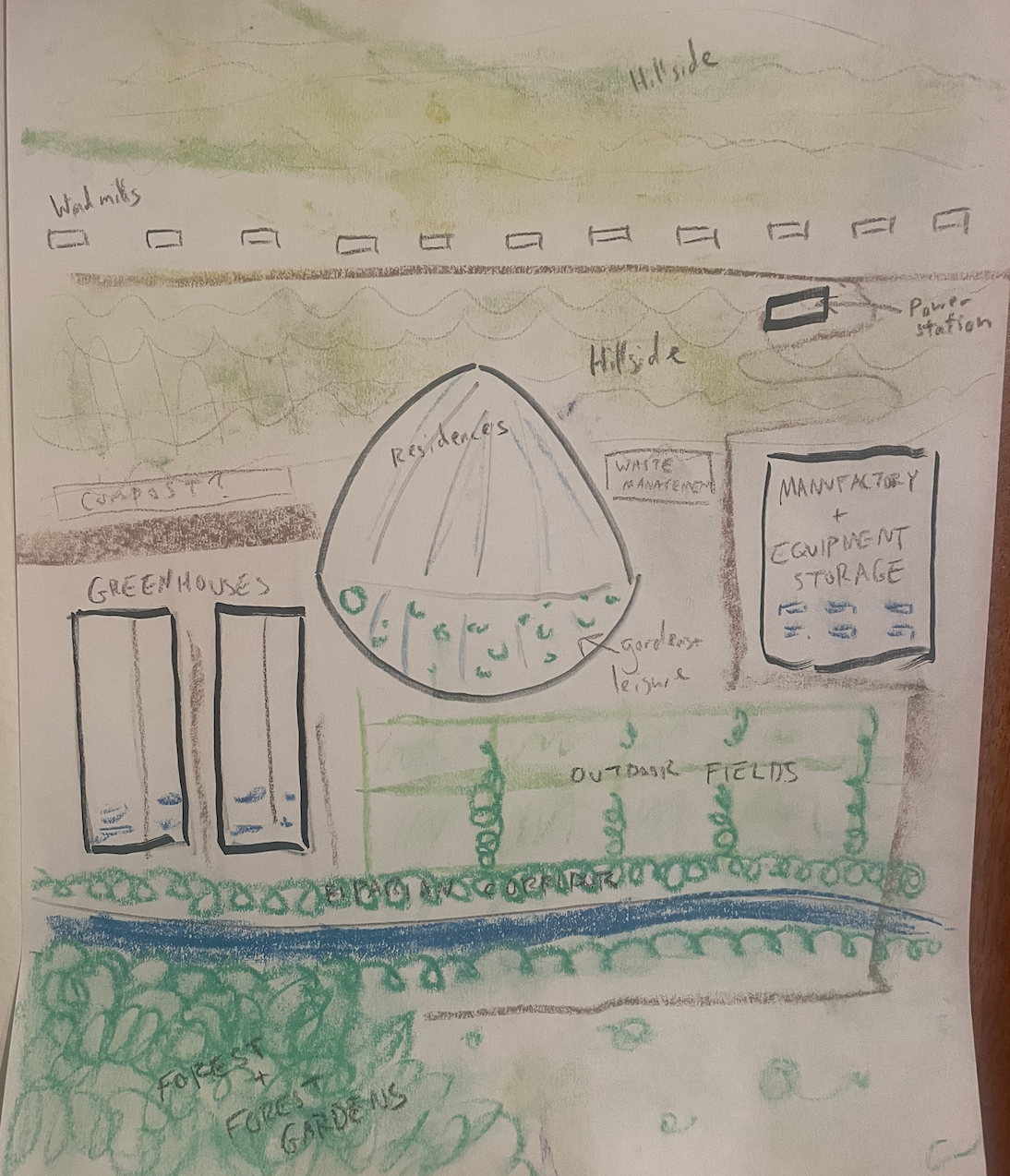
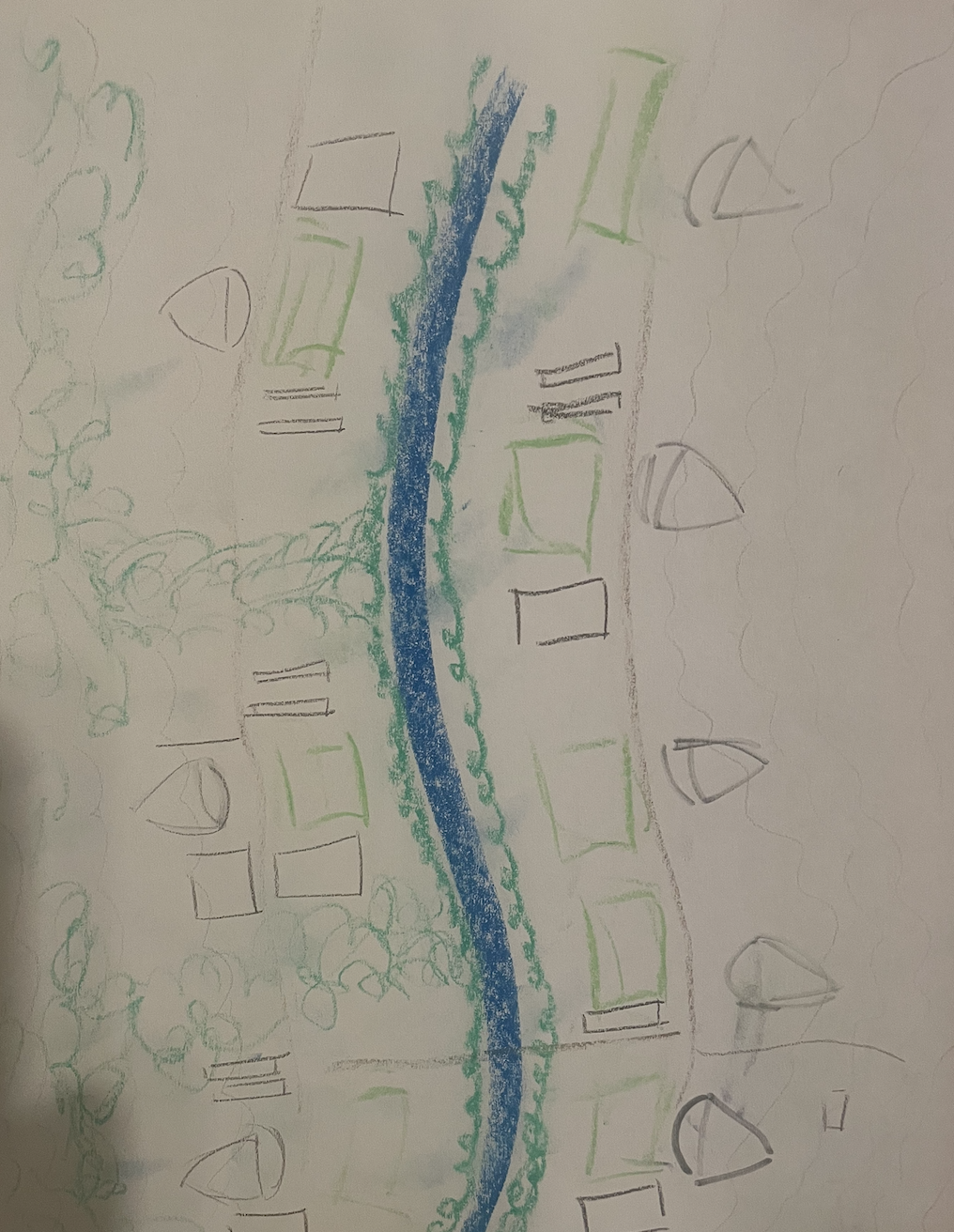
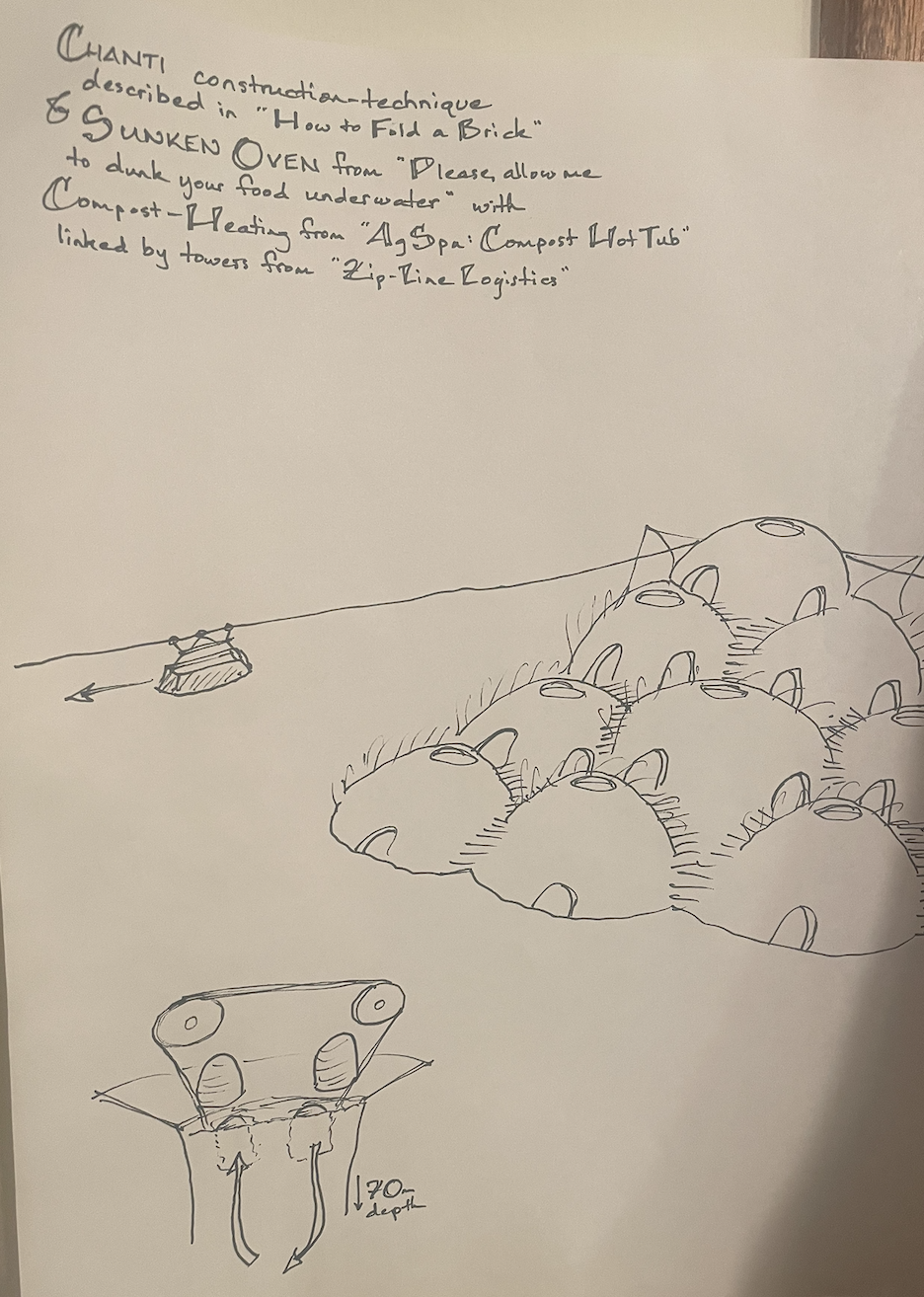
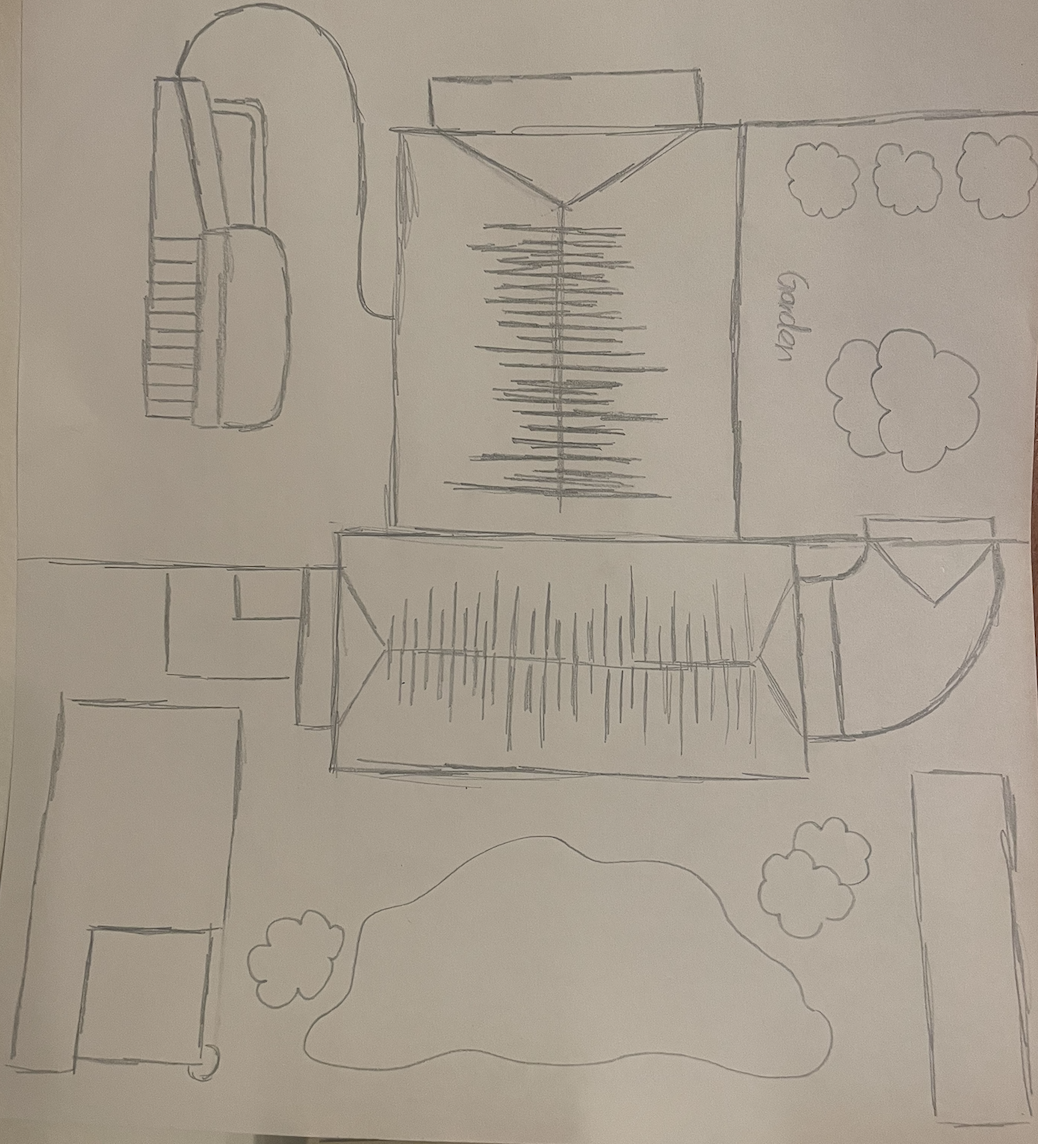
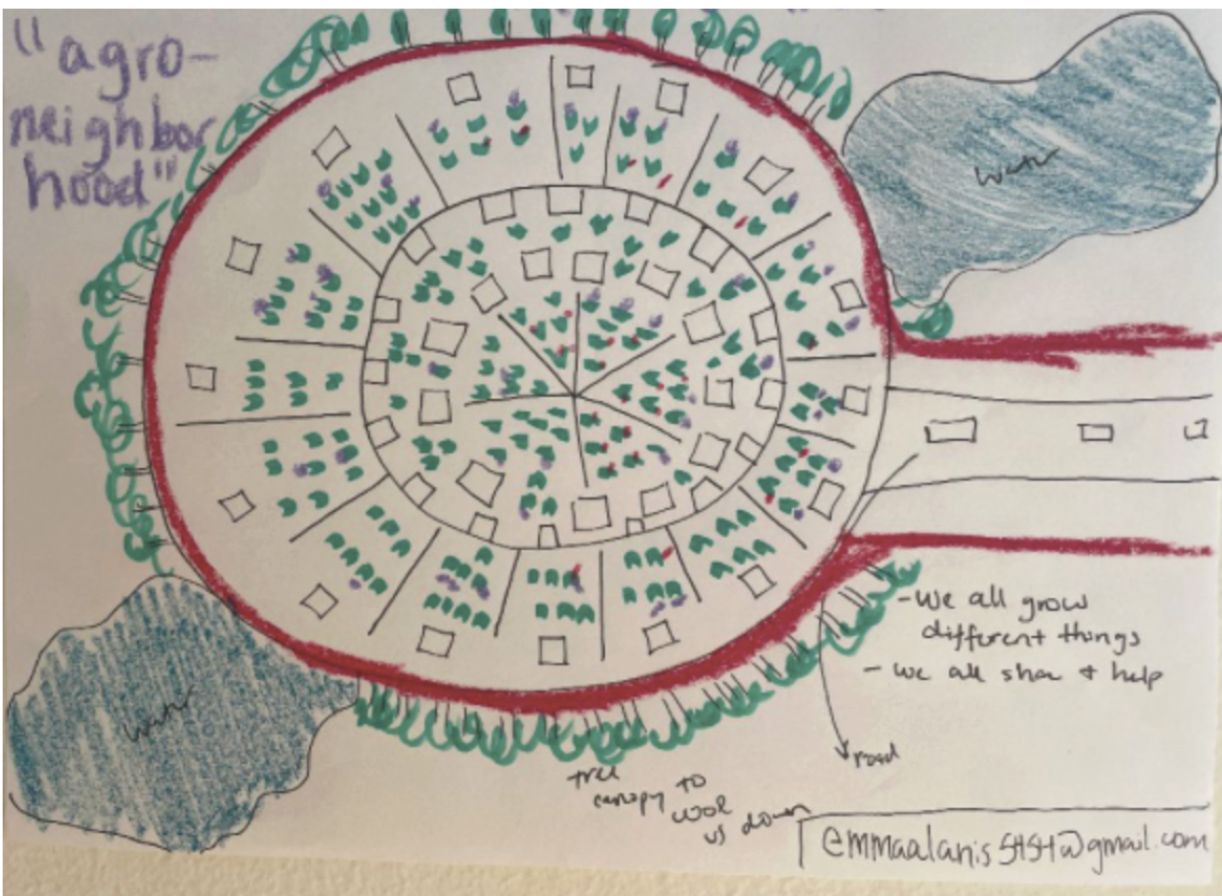
Sample Designs Below (by previous participant)

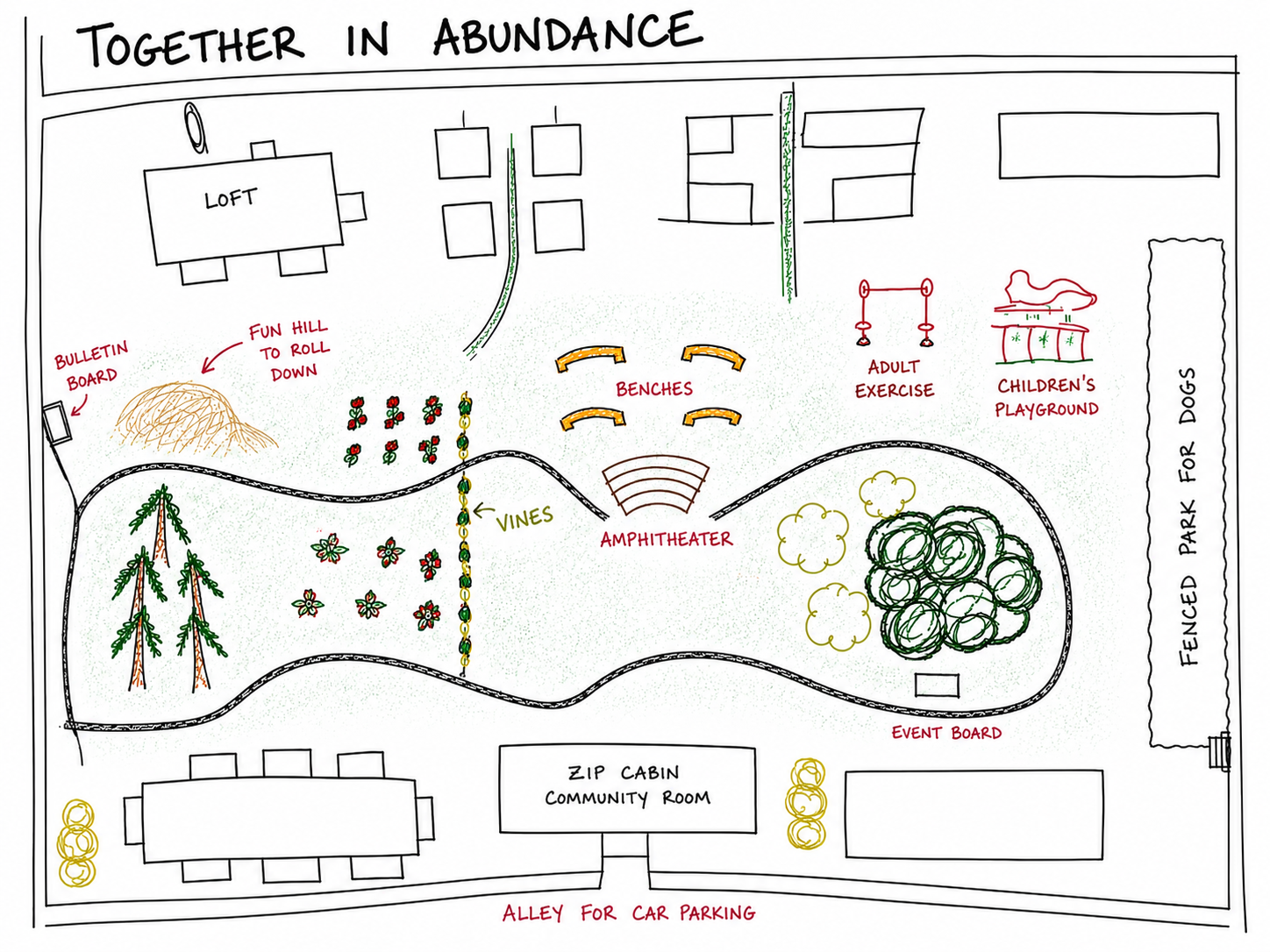
Samples Below - by Canva

Sample Projects by Humanist Mutual Aid Network

Niger Republic (Maradi) - Zamankoy Orphanage

Digital Skills Centre - Teaches local youth essential computer skills. Integrates digital literacy into the community's shared goals, providing global learning resources, remote employment, and competitive career paths for the orphans. It hugely supports the financial and educational foundation of the entire facility.

Scented Candle Production - The older orphans combine their creative skills with micro-entrepreneurship to strengthen the orphanage economy. The steady product diversifies the orphanage’s revenue stream, by transforming basic raw materials to fund daily operations.

Maize and Grain Grinders - Reduces manual labor and improves orphanage food security. Efficiently grinding staple grains ensures the entire community gains access to healthier nutrition. The grain processing business feeds both the orphans and the orphanage budget.

Ice Block Making Factory - In our region marked by intense heat, this commercial venture safeguards perishable food, and elevates community health. The sales profits are also directed back into orphanage welfare,.

Orphanage Setup - HuMAN helped rent and establish a central sanctuary to guarantee every orphan with safe shelter, proper nutrition, and health care. A stable environment was created where vulnerable children can focus on their education and personal growth without fear of instability.

Kiln Construction - Builders and older youth constructed a kiln, gaining valuable masonry skills. Producing the bricks directly lowered facility expansion costs and created a valuable trade good for external markets. The physical infrastructure of the orphanage was strengthened and income was generated through local sales.

Silo Construction - Silos allow the group to protect harvested crops against spoilage, pests, and seasonal shortages. Securing these yields guarantees year-round nutritional stability, keeping children healthy and energized for daily schoolwork. Strategically storing grain also enabled the group to sell surplus yield when market prices rise, maximizing financial returns to reinvest in community care.

Water Kegs - Coordinating the distribution and management of clean water kegs provides the entire humanist group  with a reliable defense against waterborne illnesses. Maintaining safe water lead to a healthier living environment, reduced sick days and kept youth active in their educational programs.

Mozambique (Monapo) Agriculture Projects

Large Herb & Seedling Nursery - Communal space for germinating, propagating, and raising native plants, vegetables, and medicinal herbs. Gives community members access to nutrient-dense herbal remedies and fresh, pesticide-free vegetable seedlings to start home gardens. Restores local biodiversity, prevents soil erosion, and encourages organic, agro-ecological gardening across the district.

Solar Pumping Machine Installation - An off-grid irrigation system powered by solar panels to draw and pump water to crops. Delivers a clean water supply for irrigation and sanitation, reducing waterborne illnesses. Eliminates dependency on expensive, polluting diesel generators, cutting carbon emissions and protecting local air and groundwater. Replaces carrying heavy water buckets under extreme heat with automated solar pumping, freeing up hours every day for members to focus on education, childcare, or other economic ventures.

Yam Report & Yam Cultivation Initiative - We planted thousands of yam tubers on prepared mounds to tackle food shortages. Yams are rich in carbohydrates and dietary fiber. The harvest provided a reliable, calorie-dense staple food for displaced and vulnerable families. A portion of each harvest is sold in markets to generate communal income.

Community Garden - Over a thousand farming mounds were cleared and prepared using volunteer collective labor—showing that neighborhood transformation happens when people unite around shared goals. The garden produces corn, vegetables, and greens. Utilizes compost, natural pest control, and soil management to maintain land fertility without reliance on synthetic chemicals.

Grain Grinders (Milling Stations) - Mechanical, community-accessible grain processing units used to mill corn and grains into flour. Milling grain locally reduces the high processing fees and transportation costs. Our local grain grinder also frees up time for children to attend school and adults to engage in literacy and trade skills. Generates revenue for the maintenance committee that keeps the equipment operational.

Photography & Art Studio - A community hub that equips local youth and community members with cameras, art supplies, and media tools. Teaches skills in visual media, graphic communication, storytelling, and digital literacy, opening paths to freelance income or advocacy work. Provides an outlet for expression, allowing displaced individuals to process trauma, build confidence, and share their stories with dignity.

Packet of Happiness" Free Food Distributions - Emergency aid packages containing food staples and nutrition packs are distributed to families during times of acute crisis or seasonal food gaps. Temporarily frees low-income families from the crushing burden of food expense, allowing them to allocate sparse funds toward medical care, shelter, or school fees.

Ghana (Takoradi) Projects

Rice Farm - Women plant, cultivate, and harvest rice, pooling their labor and sharing agricultural knowledge. The project delivers a stable food source to households, reduces grocery costs, and selling the surplus at local markets generates income.

Computer Internet Cafe - Members manage daily operations, teach one another digital skills, and assist peers with online research and navigation. It functions both as a sustainable business, generating group revenue and as a community hub for self-directed learning.

Crafting Plant Rafts for Household Items - Members harvest local plant materials and run crafting circles to weave durable household goods. Selling the handcrafted items at local markets provides an eco-friendly source of independent income.

Digital Marketing & Dropshipping Workshop - Women attend training sessions where they brainstorm business ideas, review store setups, and practice online marketing strategies. By mastering e-commerce and digital outreach, they gain high-demand skill sets that empower them to launch remote businesses.

Cervical Cancer Screening & Sex Education - Young women attend screening clinics together and participate in open health discussions. By breaking cultural taboos around reproductive health, they educate one another on early cancer detection, safe health practices, and bodily autonomy.

Distribution of Sanitary Pads - Members organize purchasing, packaging, and distribution networks to ensure every girl receives hygiene supplies. This allows girls to attend school consistently without missing classes. The initiative also protects their health and restores confidence.

Crochet, Knitting, and Clothes Weaving Workshop - Women to share weaving patterns, train beginners in needlework, and pool their garments for group selling. The unique, hand-woven clothing provides a steady income stream and builds a strong network of artistic collaboration.

Small-Scale Multipurpose Household Grinders - Members manage and operate community grinding stations. The grinders reduce hours of manual labor, freeing up time for girls to focus on their education. Processing raw crops into refined products also creates high-value goods to sell locally.